Chris Simon
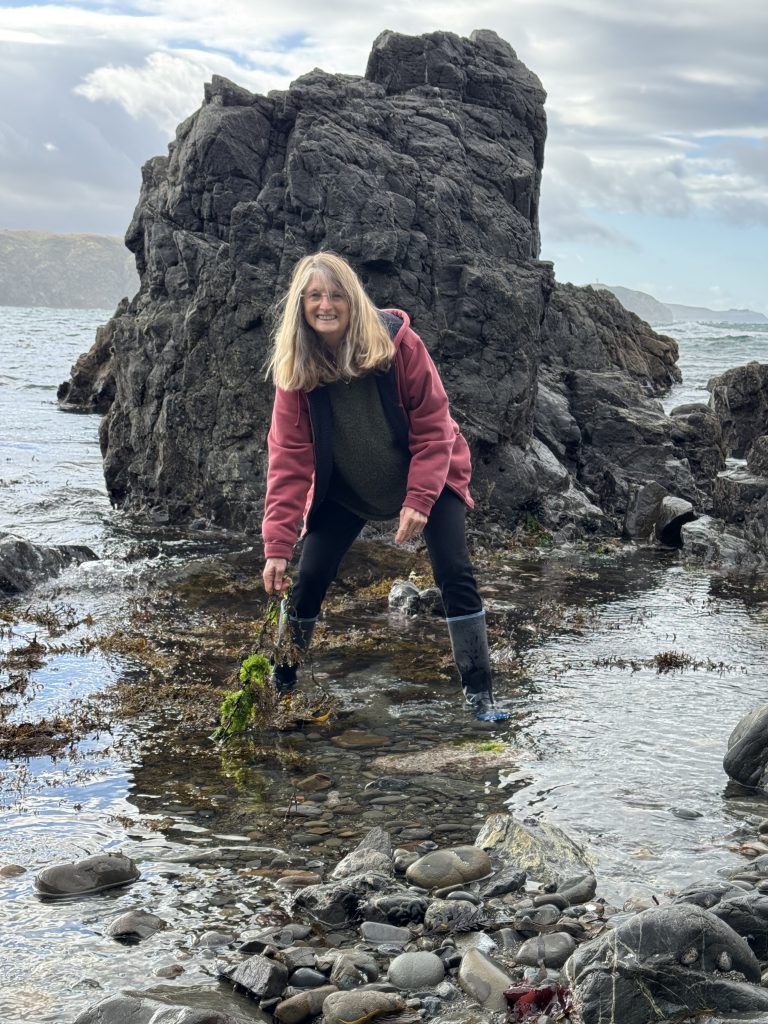
Chris Simon is a Professor Emeritus in the Department of Ecology and Evolutionary Biology. She received her BS & MS from the University of Florida and her PhD from SUNY Stony Brook. She conducted NSF-sponsored postdoctoral research at the University of Chicago, Washington University St. Louis, and University of Hawaii. She taught two 2-month-long field courses in tropical ecology in Costa Rica for the Organization for Tropical Studies and was an Assistant and Associate Professor at the University of Hawaii before moving to UCONN. Projects in her laboratory focus on the systematics, biogeography, and evolution of cicadas and their symbionts worldwide, the application of information on molecular evolutionary processes to the improvement of tree-building, speciation and its relationship to past climates and landforms, the evolution of periodical life cycles, and molecular evolution of the secondary structure of ribosomal RNA. Funding for these research projects has come from the US National Science Foundation, NZ Marsden Fund, The National Geographic Society, the Fulbright Foundation, the University of Connecticut, and Victoria University of Wellington. She has been associated with Victoria University of Wellington in various capacities: honorary faculty member (1995-2007), Professorial Research Fellow (2005-2007), Senior Fulbright Research Fellow (1995 to 1998, co-sponsored by Otago University, and Massey University). In 2016, Chris was elected an Honorary Fellow of the Royal Society of New Zealand. From 2001-2004, she was Editor-in-Chief of the journal Systematic Biology, and President of the Society of Systematic Biologists (2007). She was Vice President of the Society for the Study of Evolution (SSE) and also served on the council. She organized the Hilo Hawaii Evolution meetings in 1991. She has served on multiple National Science Foundation advisory panels and from 1990-2020 on the Editorial Board of the journal Trends in Ecology and Evolution. She was an Associate Editor for The Bulletin of the Society of Systematic Biologists from 2021 to 2024. More than 30 undergraduate researchers, 20 graduate students and ten postdoctoral researchers have trained in her laboratory. She credits her success to their enthusiasm, dedication, and hard work.
Most Recent Lab Alumni
Research scientists
David Marshall
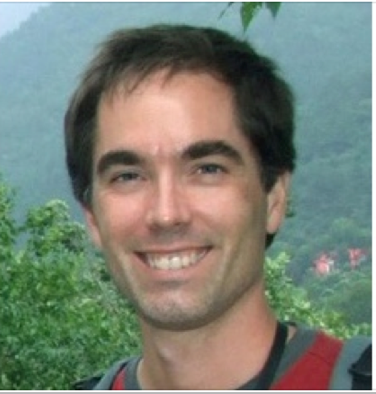
You can read about my research on my website, insectsingers.com.
Postdoctoral fellows
Eric Gordon
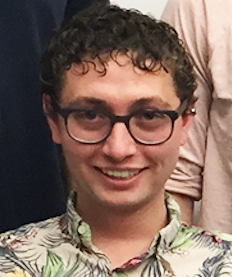
My research is focused on the evolution of biodiversity and symbiosis and their intersection. I am also interested in applying modern methods to gain a high-throughput understanding of the basic biology of organisms, particularly the incredibly diverse insects, which are facing ever-increasing risks of extinction. Before coming to the Simon lab, I studied the evolution and taxonomy of a group of specialist termite predators and revising the the taxonomy of this group and documenting many new termite prey associations using termite-specific PCR on gut contents of archival specimens. In addition, I studied the pattern of evolution of bacterial associates in a range of heteropteran taxa with different biology including Triatominae, Largidae and Miroidea. You can read more about my research in my CV (link).
In the Simon lab, I investigated a radiation of New Zealand cicadas, some members of which appear to have lost one of their two obligate symbionts. We searched for a correlation of this shift in symbiotic partners with particular aspects of the biology of these cicadas which may inform our understanding of the evolution of this symbiosis. I am also involved in ongoing phylogenomic analyses of the family Cicadidae, attempting to resolve the complete evolutionary history of this group. After my postdoctoral research I accepted a position working in Agricultural Biotechnology.
Graduate students
Johnny Bator
My primary studies are based in conservation biology and biodiversity. I have a keen interest in learning about conservation strategies, monitoring invasive species, and wildlife mangement techniques to protect rare and endangered species. I completed my undergraduate coursework at Providence College (PC) studying for a degree in General Biology. My research at PC focused on the molecular systematics of a particular group of mysid shrimp native to the eastern coast of the U.S. A. Mysid shrimp, otherwise known as ‘opossum shrimp’ are distinct from other crustaceans for their ability to develop their young in a brood pouch. I utilized molecular data to help resolve the taxonomy of Americamysis mysids in order to pave the way for future conservation work and studies on how climate change may be affecting these species.
While pursuing a joint B.S./M.S. degree in conservation biology at UConn, I continued my interest in phylogenetics. My research in the Simon lab is focused on investigating the phylogeography of an endemic group of “red-tailed” New Zealand cicadas known as Rhodopsalta. Despite some pioneer systematic work, very little is known about this group. We are interesting in employing multilocus datasets to better understand the speciation of these cicadas. After graduating with my PhD, I obtained a position at the Connecticut Department of Energy and Environmental Protection.
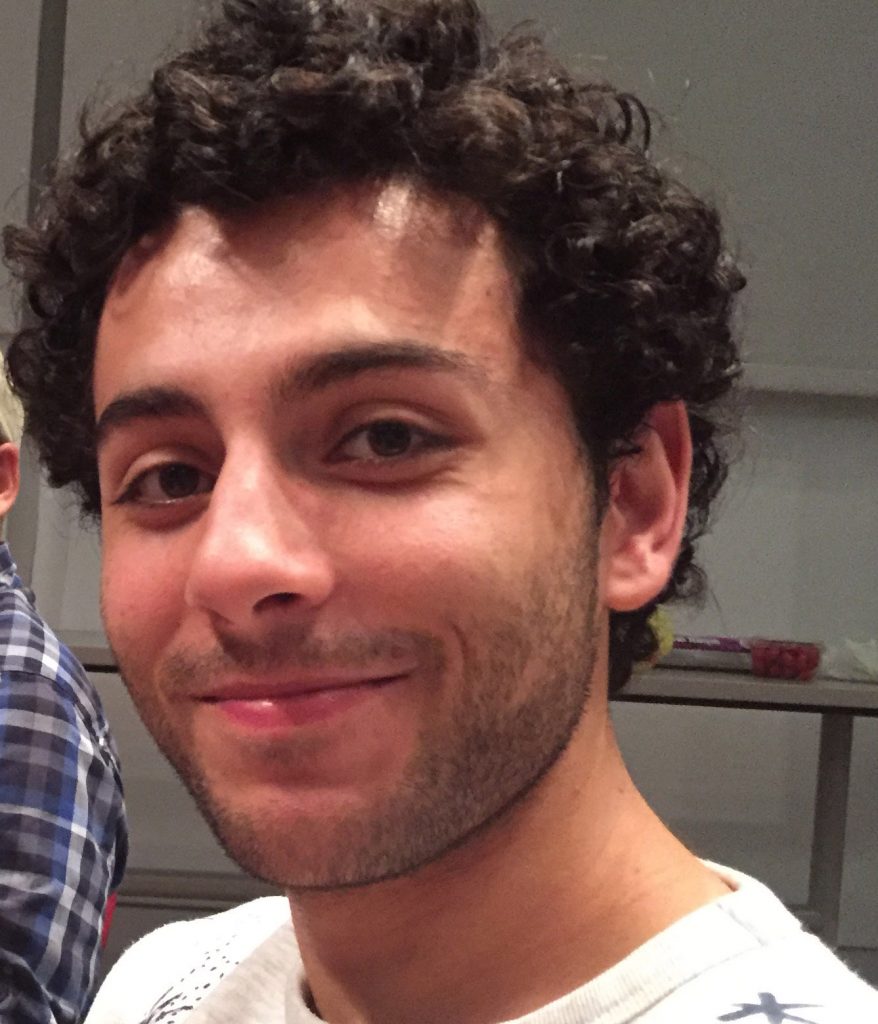
Diler Haji
I’m interested in using phylogenetic methods to understand the evolution of biological diversity, specifically how both mutualistic and antagonistic interactions among organisms facilitate speciation. I joined the Simon Lab as an undergraduate studying the evolution of peculiar 13- and 17-year life cycles in North American periodical cicadas (Genus Magicicada). I completed my master’s degree in the Simon Lab surveying the microbiota of New Zealand cicadas to uncover the role that symbionts have had in the diversification of these ecologically widespread and speciose taxa. After graduating I accepted a PhD position at the University of California, Berkeley and following that a Postdoctoral Fellowship at Stanford University.
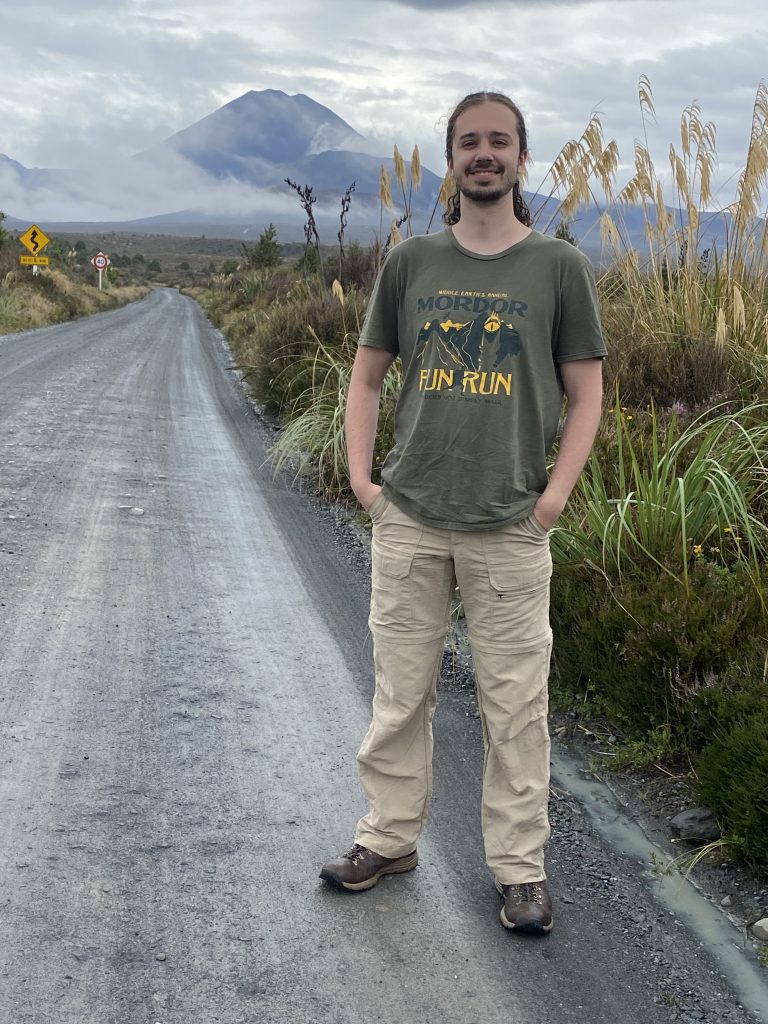
Mark Stukel
My research interests are systematics and biogeography. Prior to joining the Simon Lab, I spent my undergraduate experience at Hope College working on population genetics and biogeography of the tulip tree, looking specifically at ways to answer questions behind the East Asia-Eastern North America species disjunct anomaly. As a PhD student in the Simon Lab, I investigated the systematics, dating, and biogeography of New Zealand and worldwide cicadas. The last year of my PhD research included a 9-month Fulbright Fellowship at the University of Auckland Computational Genomics Group. After graduating from UConn with my PhD, I accepted a postdoctoral research position at the University of California Davis working also with the University of California Riverside and the California Department of Agriculture on the phylogenomics of hemiptera.