Welcome to the Simon Lab
Understanding speciation, biogeography, natural history, and interactions at species’ contact zones.
Chris Simon, Professor Emeritus of Ecology & Evolutionary Biology
My research focuses on using information on molecular genetic processes to improve evolutionary tree-building (phylogenetics). Although technically retired, I continue to work with former students and collaborators to test newly proposed phylogenetic tree-building models and methods. We use phylogenetic trees to answer questions related to the origin, spread, maintenance, and documentation of biological diversity. Our current research focuses on cicada genomics, biogeography, and phylogeny as well as cicada bacterial and fungal endosymbionts, and Portuguese Man-of-War.
The ultimate goal of my research is to understand speciation, biogeography and interactions at species’ contact zones. The information we produce is valuable for taxonomy and conservation biology. This work has been supported by grants from the National Science Foundation, The Fulbright Foundation, The National Geographic Society, the New Zealand Marsden Fund, and the University of Connecticut over the past 30 years. The success of my work has been facilitated by the dedication of many postdoctoral researchers, and graduate/undergraduate students whose names are contained in the author-lists of my publications. View my Google Scholar page.
About Our Work
Endosymbiont projects
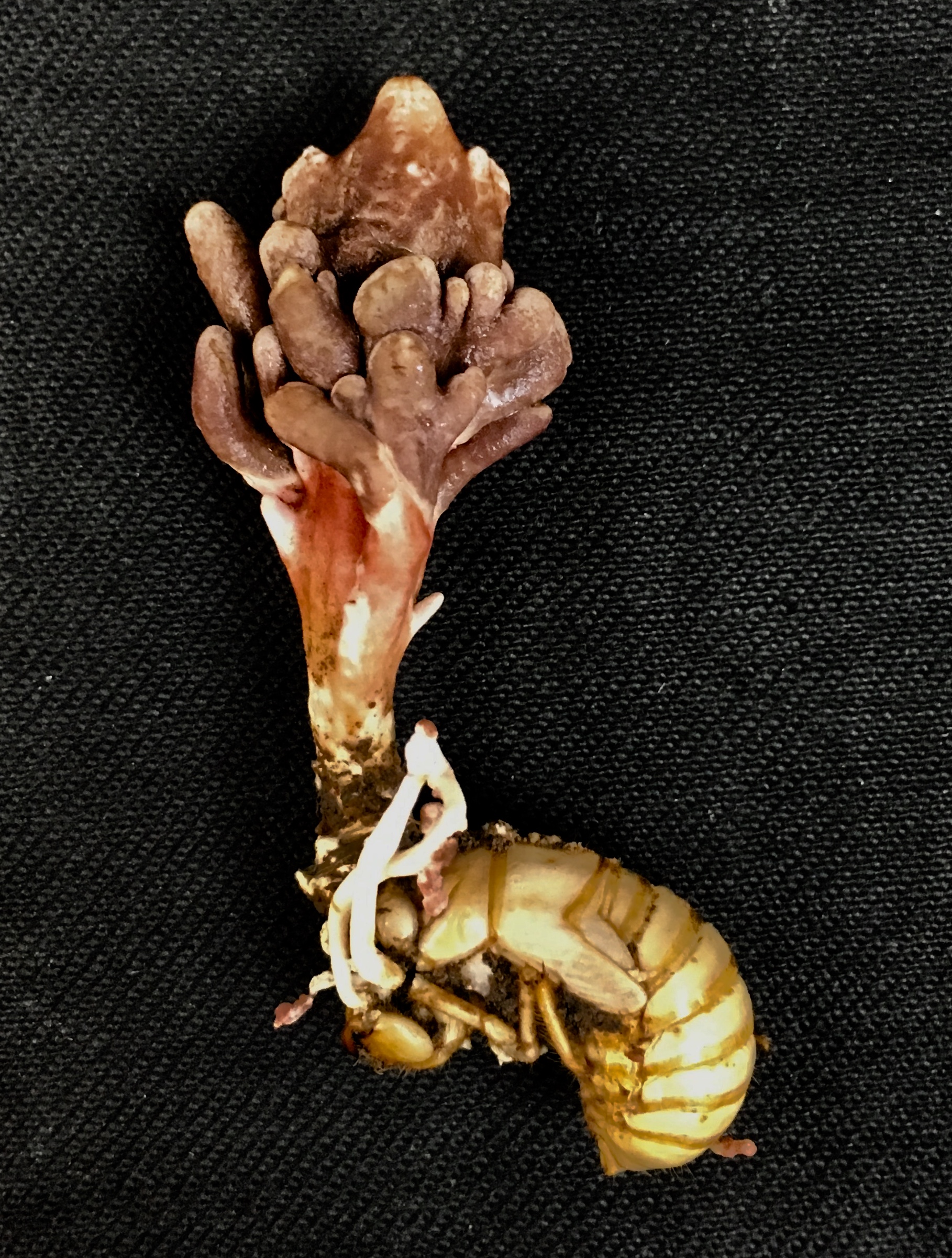
Ophiocordyceps are fungal parasites of cicada nymphs but in some cicadas these parasites have been “domesticated” such that they are not longer parasites but helpful symbionts.
Physalia projects
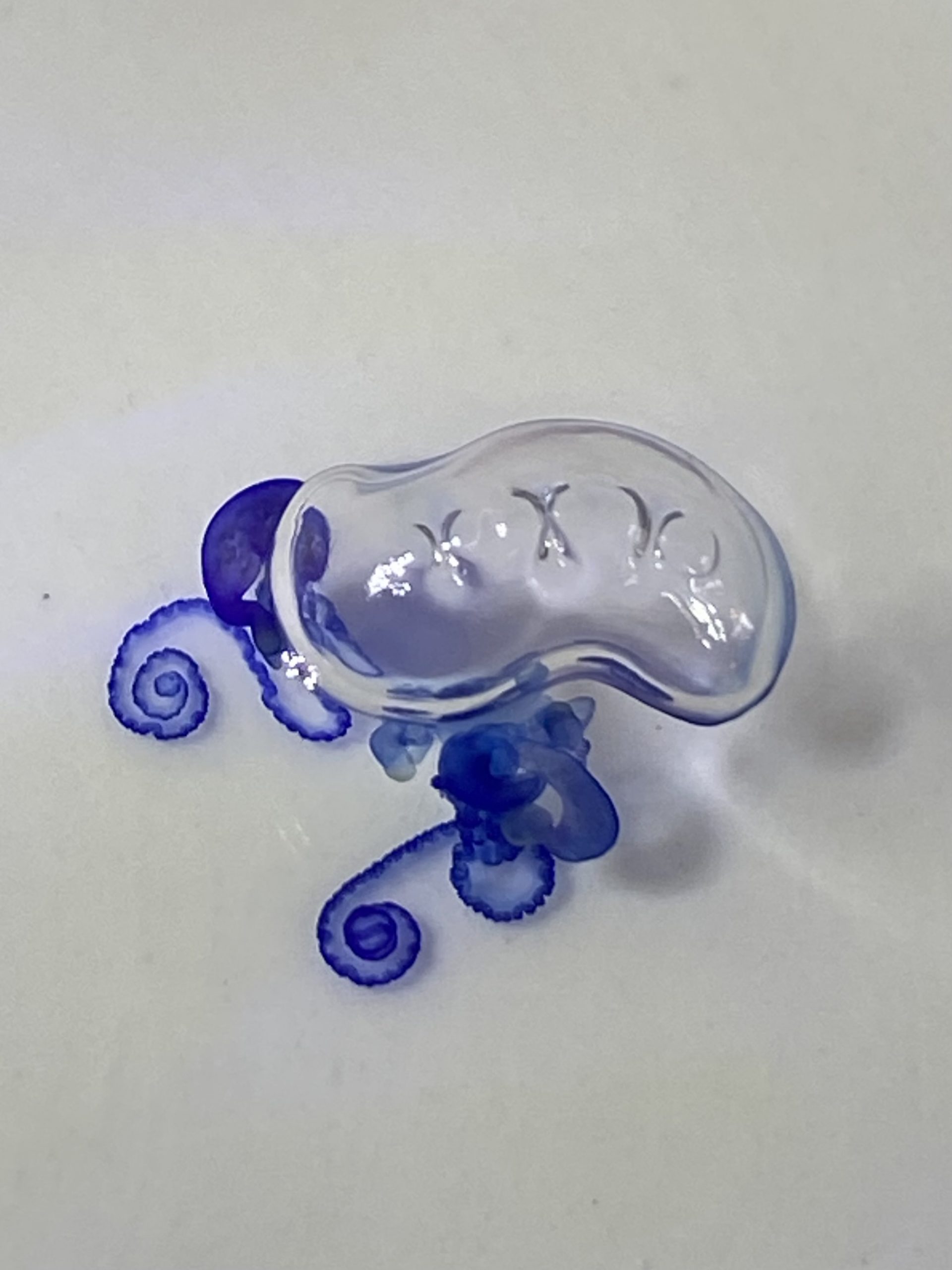
In collaboration with researchers worldwide we are studying species limits and basic biology of these unusual Siphonophores.
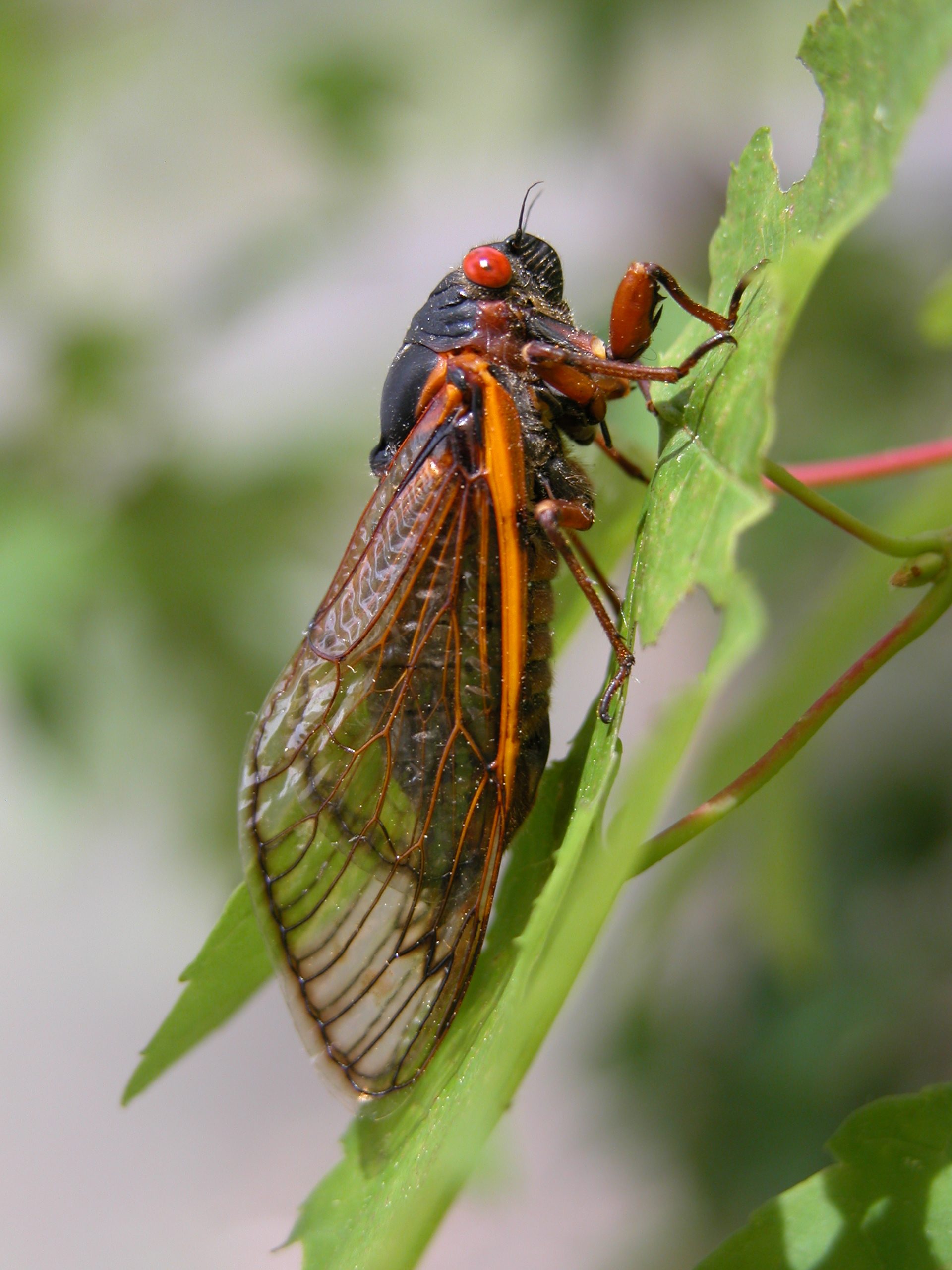
Cicada Projects
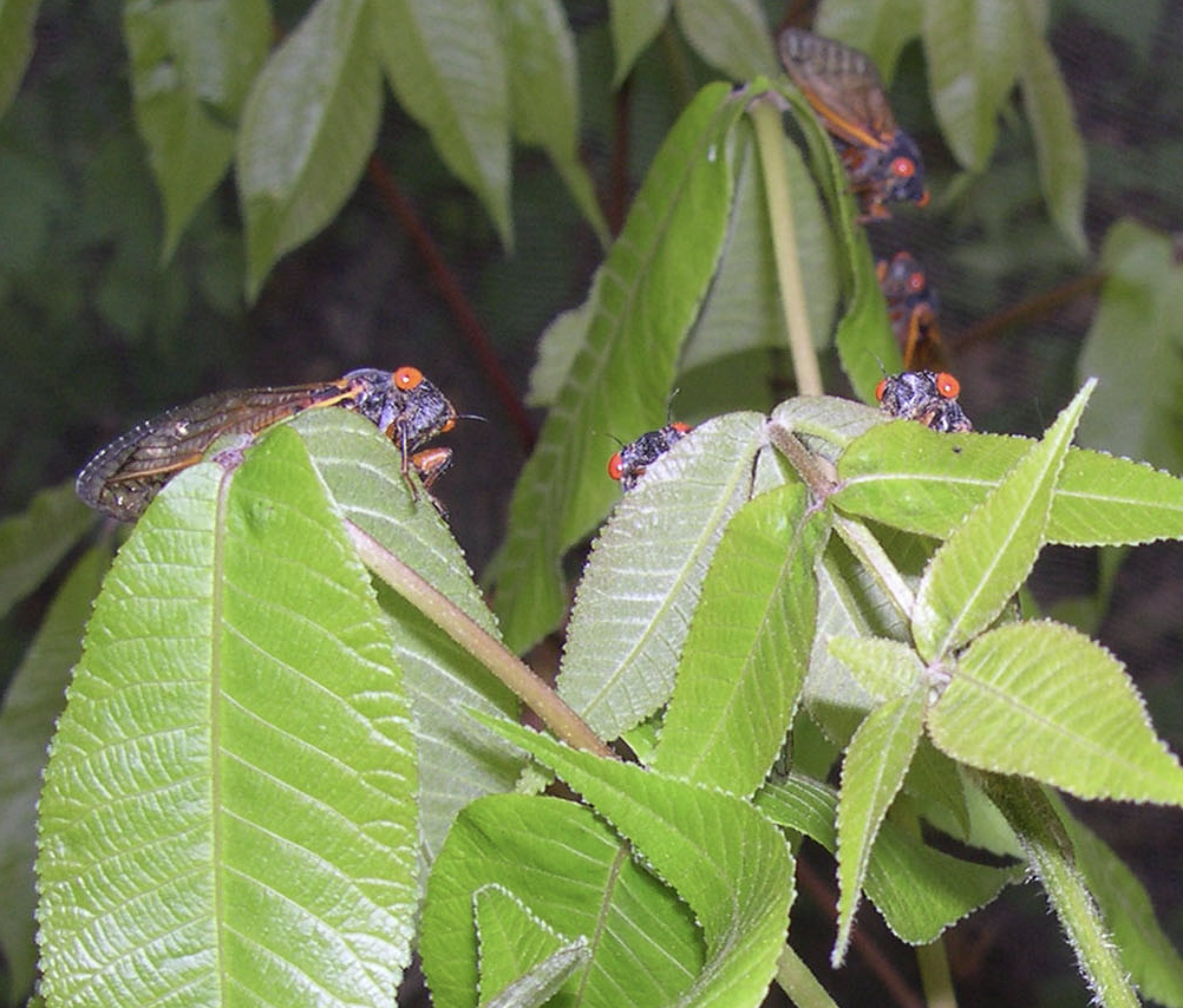
The Simon lab projects include studies of World Cicadas, Periodical cicadas, New Zealand Cicadas, and Cicada genomes.
Contact: chris.simon@uconn.edu